About
Us
Built as a Client
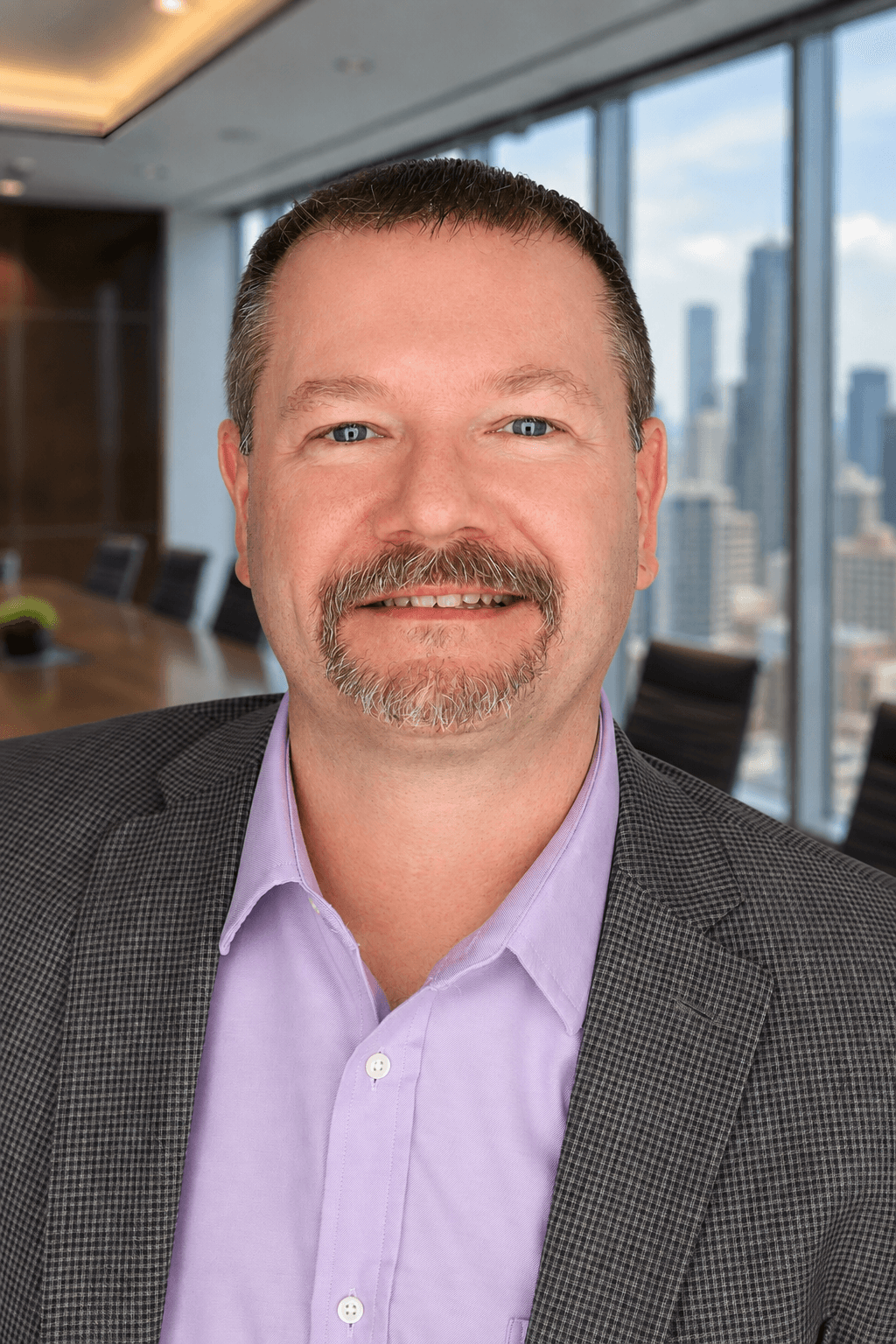
Founder, GracePoint Advisory
This required stepping back to understand where we were and where we wanted to be, and creating a new strategy and roadmap for success. I spent the next four years leading the team that created that strategy and rebuilt the environment from the ground up. We built a change control process from scratch, took the environment from zero to 95 percent virtualization, and standardized how every server was built so the next one would be predictable rather than improvised. Getting there took more than technical fixes. It took getting the right people aligned around a different way of operating and holding that standard once it was set. By the time we were done, the outages that had been a weekly fact of life were gone. That period taught me more than any formal training ever could. It taught me the difference between a system that looks like it works and one that actually does.
During that same stretch, I hired a consultant to help replace one of the most complex parts of that environment. He was recommended as an expert, but within two weeks, most of his time was going into figuring out what to do rather than executing it. I let him go and took on leading that project as well, including architecture, buildout, and the full migration, through to a successful launch across the U.S. and Europe.
This was a real technical accomplishment. But what stayed with me was the experience of being the client who paid for expertise and received a boilerplate report instead of a path forward. No clear direction. No roadmap. No one willing to say what to do first.
Right People Are in the Room.
Years later, working with companies on disaster recovery strategy, I developed a habit. Before we discussed any solution, I would bring leadership, business units, operations, and compliance together in the same room and walk through how the business actually worked. Where the data lived. How it moved. What depended on what.
Without fail, that conversation would surface things no one had said out loud before. For example, the business team would describe how the process of moving data from one application to another worked from their perspective, and the operations team would then step in. "That is not quite right. Here is what actually happens." For the first time, the way the process actually worked got fleshed out and documented. Every time we created the conditions for that conversation, the room got clearer.
That clarity was always where the real value was. Not the technology recommendation that followed.
I saw the same pattern across every industry I worked in. Growing organizations solve problems one at a time. A new hire, a new system, a workaround that becomes permanent. Each decision makes sense individually. Over time, those layers accumulate into something no one designed and no one owns. The business works. It just gets harder to run. And no one has stepped back to look at how the whole thing fits together.
From the Inside.
Every environment I rebuilt, every engagement where clarity arrived the moment the right people started talking honestly about how the business actually worked, every time I watched a firm's leadership team realize in real time that what they thought the problem was and what the problem actually was were two different things. It all pointed toward the same kind of practice.
I have spent more than 25 years in financial services and enterprise technology, working inside and alongside organizations ranging from large financial institutions to fast-growing manufacturing and technology companies. I have been the person running the environment. I have been the person burned by the consultant who showed up with a boilerplate report instead of a direction. And I have learned, across every engagement since, that clarity is usually more valuable than any specific solution.
Before any recommendation is made, I bring the right people to the table and walk through how the firm actually operates today. What surfaces in those conversations is where the work begins. From there, the job is sequencing: what to change first, what can safely wait, and what not to do at all.
The work is structured around the P³ framework — People, Process, and Platform — three elements that, when intentionally aligned, produce a firm that runs the way leadership intended rather than the way it happened to grow.
The Same Judgment, Start to Finish.
I ask the same questions I would ask if I were the one being brought in to fix this myself.
Most engagements start the same way. A firm leader reaches out because something is off, even if they cannot yet say exactly what. The first conversation is not a pitch. I ask the same questions I would ask if I were the one being brought in to fix this myself: what is actually happening, what has already been tried, and whether this is a problem GracePoint is built to solve.
That conversation runs both directions. I am deciding whether I am the right fit for the work, not just whether the firm is a good prospect. If the fit is not there, I say so directly, before either side spends another minute on it. If it is, the next step is a more specific conversation, and only then does a proposal get written. It names the problem as I understand it, states what is included and what is not, and provides a scope-based fee. Not a menu of services. A specific recommendation based on what was actually learned.
That same standard carries into the work itself. Whoever is on that first call is the same person who runs the diagnostic, designs the roadmap, and stands behind the recommendation at the end. There is no point in the relationship where the judgment that earned the engagement hands off to someone else.